Density of PVC (Polyvinyl Chloride)
The density (specific gravity) of PVC resin is an industry-recognized standard physical parameter, significantly influenced by plasticizer and filler content, with clear base density ranges tested in accordance with international standards such as ASTM D792 and ISO 1183.
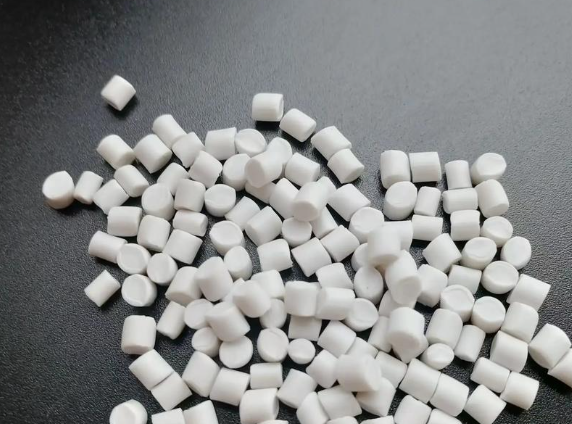
Density varies significantly across different grades and modified types of PVC, with all values being industry-recognized measured data:
Rigid PVC (UPVC, no plasticizer): 1.38~1.45 g/cm3, typical value 1.40 g/cm3
Flexible PVC (10%~50% plasticizer content): 1.15~1.35 g/cm3, with higher plasticizer ratios leading to lower density
Inorganic-filled rigid PVC (calcium carbonate/talc filled): 1.50~1.80 g/cm3, with higher filler ratios leading to greater density
Inorganic-filled flexible PVC: 1.25~1.45 g/cm3, with higher filler ratios leading to greater density
Flame-retardant PVC: 1.35~1.55 g/cm3, with halogen-free flame-retardant systems showing smaller density increases than halogenated systems
This density parameter is an important reference for profile extrusion, hose production, and injection-molded pipe fitting design. The ratio of plasticizers to fillers must be determined by comprehensively balancing density, mechanical properties, and cost, and it is also fundamental data for product weight calculation and mold design.